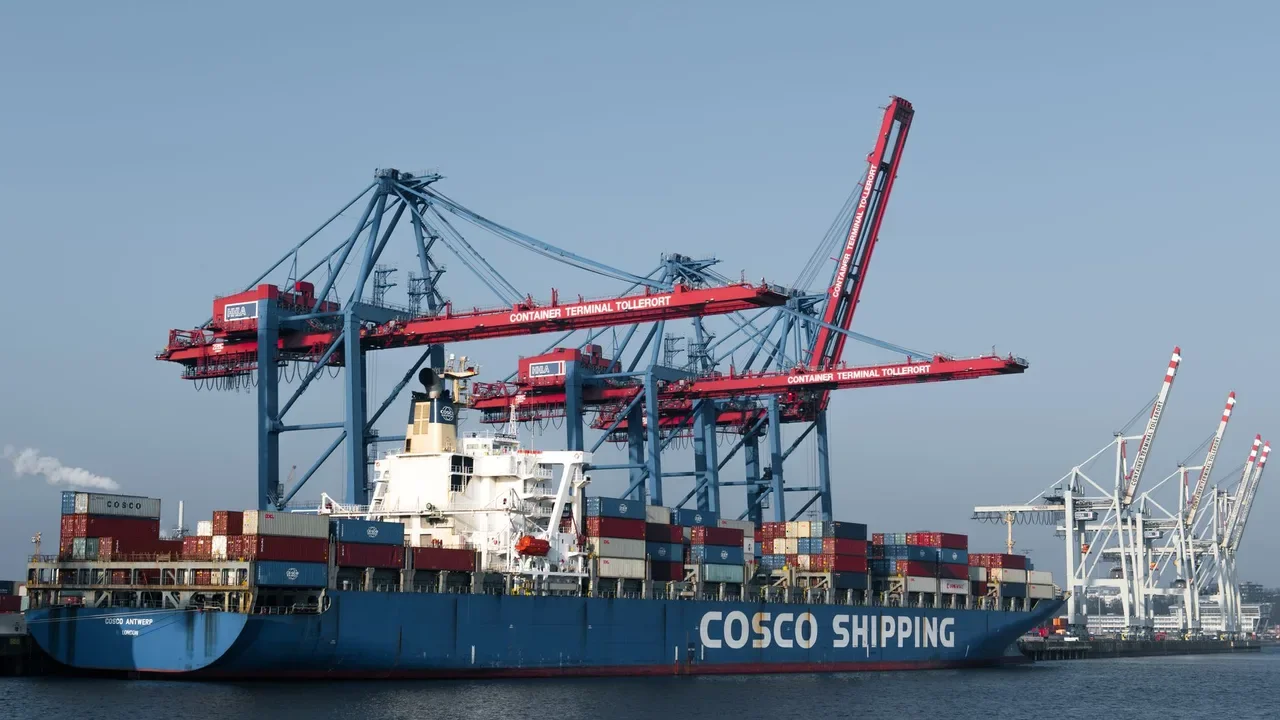
The Saudi customs clearance process in FASAH is one end to end file: registration, declaration entry, document upload, duty assessment, payment and release. The steps below follow the official FASAH flow and the pre-submission habits that keep a container inside free time once it is discharged at Jeddah, Dammam, Riyadh Dry Port or another Saudi port.
Saudi customs clearance requirements: what is ready before the declaration
The declaration can be entered only when the importer and the declarant hold five things: importer registration, product approvals, transport documents, accurate commercial data and the port rotation details. Preparing them before arrival removes most of the stops that push a container past free time.
- Importer FASAH registration. The importer needs an active commercial registration and a FASAH account. A customs broker can act only when the importer has authorised that broker or when the broker holds the required power of attorney.
- Product approvals. SABER certificates are required for consumer products covered by SABER technical regulations. The Saudi Food and Drug Authority approval is required for food, drugs, medical devices and related lines. SASO conformity applies where the HS code falls under a relevant technical regulation. Secure these before the cargo sails where possible.
- Transport documents. The bill of lading, air waybill or road waybill must match the manifest, the container number and the port of discharge.
- Commercial invoice and packing list. These carry the HS codes, descriptions, quantities, values, weights and package counts that FASAH uses to assess duty and VAT.
- Certificate of origin. Attach it when a preferential rate applies or when the customs office asks for it.
| Requirement | Why it matters | Where it sits in FASAH |
|---|---|---|
| Importer commercial registration | Establishes the legal entity and tax profile | Account and authorisation |
| SABER certificate | Lifts technical stop for regulated consumer goods | Product conformity segment |
| SFDA, SASO or other agency approval | Covers food, medical and regulated industrial lines | Agency check |
| Bill of lading or air waybill | Matches the manifest and the container | Shipment tab |
| Commercial invoice and packing list | Drives value, duty and VAT | Declaration lines |
| Certificate of origin | Determines preferential duty where applicable | Certificate upload |
The pre-arrival window is the cheapest time to fix missing data. Terminal free time starts at discharge. For each Saudi shipment the operations team should record the discharge and gate-out milestones on the job, not in a separate sheet. Public shipment tracking can show the customer the same milestones once they are entered.
Saudi customs clearance process: entering the FASAH declaration
The route in FASAH has five actions in order. Enter the declaration from the shipment record, not from memory.
- Create the import declaration. Select the customs office, the declaration regime and the declarant. This links the file to the importer and the broker.
- Enter the transport details. Put in the bill of lading or air waybill number, container number, vessel and voyage, port of discharge and arrival date.
- Enter the line items. For each product, record the HS code, description, country of origin, quantity, unit, value, currency and incoterm. These line items drive the assessment.
- Attach the documents. Upload the commercial invoice, packing list, certificate of origin and any product approvals. Missing attachments hold the declaration at this step.
- Submit and record the declaration number. After submission FASAH returns a declaration number. Use that number on every later query, payment and release message.
FASAH groups the duty and VAT into one assessment after the declaration is accepted. The next stage is not payment, it is verification.
Documents Saudi customs checks at each stage
Each stage has its own hold point. The table shows the documents most likely to be checked and the common stops they trigger.
| Stage | What is checked | Common hold trigger |
|---|---|---|
| Registration | Importer commercial registration, FASAH account, broker authorisation | Expired registration or missing authorisation |
| Product conformity | SABER, SFDA, SASO or agency letters | Missing certificate or expired approval |
| Declaration entry | HS code, origin, value, quantity, incoterm | Mismatch with invoice or packing list |
| Document verification | Commercial invoice, packing list, certificate of origin, transport document | Discrepancy between documents and declaration |
| Inspection | Physical or remote inspection selected by the risk engine | Unclear packing, value doubt or restricted HS |
| Assessment and payment | Duty and VAT amount | Unpaid file stays blocked |
| Release | Customs release message and terminal gate pass | Payment not posted or missing truck appointment |
Where customs denies a document, the system records the reason. Teams that record customs status and document issue against the job can answer FASAH queries without searching email.
Duty assessment, VAT and the calculation FASAH uses
The assessment is a calculation, not a negotiation. Saudi Customs takes the CIF value, applies the tariff percentage for the HS code, then applies VAT where chargeable.
Under the GCC Common Customs Law the general customs duty is 5% of CIF value. Some tariff lines are higher, and exempt goods apply at 0%. The specific rate follows the HS code in the declaration, not a flat percentage for all cargo.
Saudi import VAT is 15%. It is charged on the CIF value plus customs duty, unless a specific VAT exemption applies.
In plain terms:
duty = CIF value * tariff rate for the HS code VAT = (CIF value + customs duty) * 15% where VAT applies
Do not guess the HS code. A wrong code changes the duty, may trigger a penalty and can hold the file while the declarant corrects the line.
Release, gate-out and the free time clock
Payment is not release. After the assessment is paid, customs posts the release in FASAH and the terminal still needs the gate pass or release reference before the truck can enter.
The release sequence is:
- Pay the assessment through the bank or the FASAH payment channel.
- Confirm the payment is posted on the declaration.
- Download or view the customs release and the delivery order.
- Book the trucking appointment with the terminal.
- Record the gate-out time and attach the scanned gate pass to the job.
Saudi Customs states that it works to clear containers within 24 hours under its 24 hours clearance program. That target assumes complete documents, correct assessment and paid duties. The importer and the forwarder control most of those conditions before the vessel arrives.
The charge that hurts inside the terminal is demurrage, which runs once free time ends. Detention runs later, after the empty container is returned late. The difference and the clocks are covered in demurrage vs detention.
One job record from FASAH declaration to release
For Saudi lanes the file should carry the FASAH declaration number, the HS codes, the assessment, the payment reference and the release message on the same record as the costs and the customer updates. That is what freight forwarding software for Saudi Arabia is for. CargoSharks keeps those fields bilingual in Arabic and English, which helps when the customs officer asks about a line item in الجمارك السعودية and the customer asks for the same status in English.