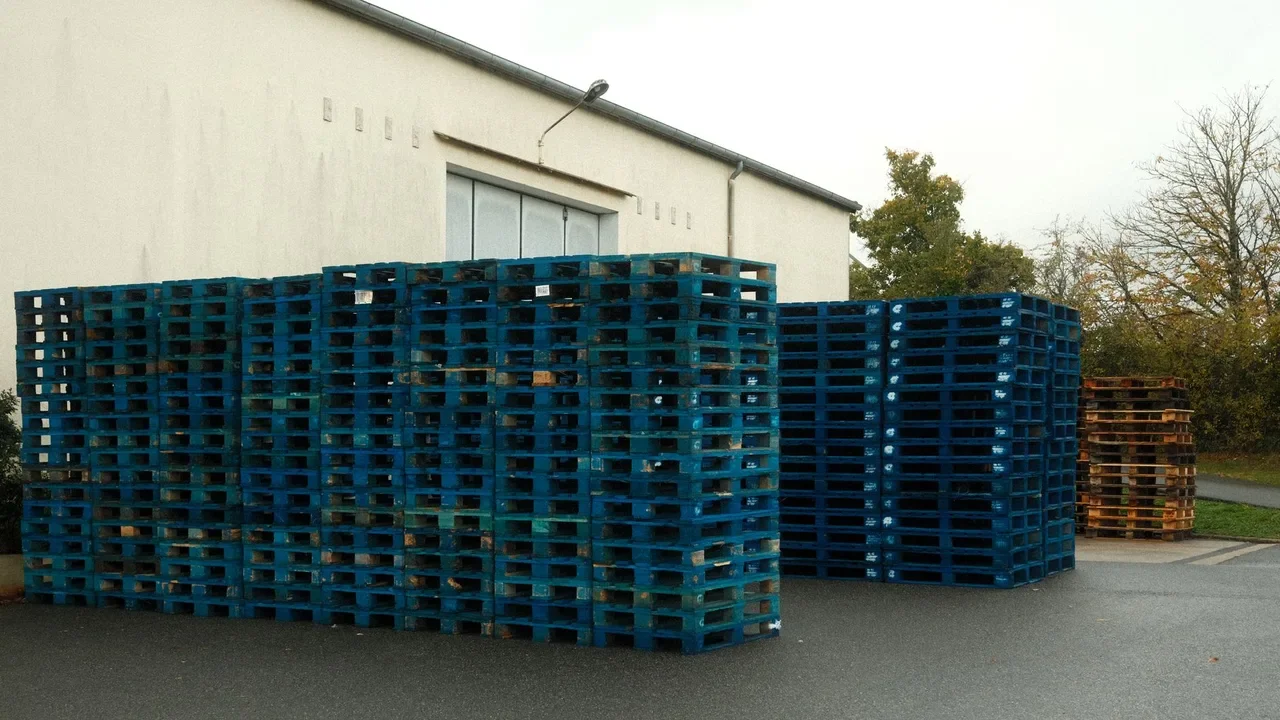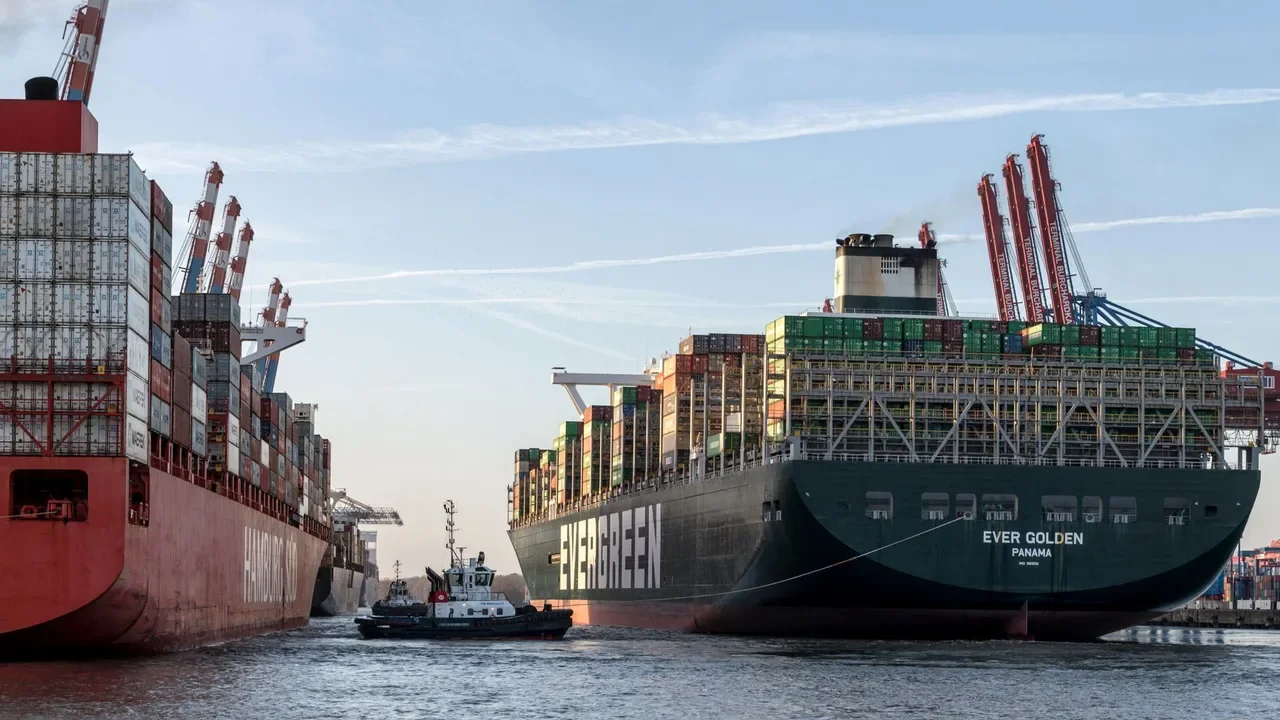
The meaning of LCL vs FCL in shipping comes down to whether you pay for a share of a container (LCL) or the entire container (FCL), and the LCL vs FCL cost calculation changes once you add CFS handling, destination charges, and port‑specific fees at terminals like Shuwaikh, Jebel Ali, or Dammam. Both methods move the same steel box across the ocean, but the way the charges stack up decides which one leaves an importer with a lower landed cost, and a desk that presents both options clearly wins the business.
LCL vs FCL meaning and the basic difference
- FCL (Full Container Load) means you book the whole container. The ocean freight rate is a flat amount per box (e.g., USD 2,200 for a 20‑footer) regardless of how much volume or weight you actually load, up to the container’s payload limit.
- LCL (Less‑than‑Container Load) means you pay only for the space your cargo occupies. The rate is quoted per cubic metre (CBM) or per 1,000 kg, whichever yields the higher chargeable volume. Your goods travel in a shared container with cargo from other shippers, consolidated by the forwarder at a Container Freight Station (CFS).
The table below catches the practical differences a Gulf import desk sees every day.
| Factor | LCL | FCL |
|---|---|---|
| Cost basis | Per CBM (or per tonne, whichever is higher) | Flat rate per container |
| Volume threshold | Any volume; usually economical up to 12‑15 CBM | Depends on container size; 20′ holds up to about 28 CBM, 40′ up to about 58 CBM |
| Transit time | Longer, cargo must be consolidated and deconsolidated at origin and destination CFS | Direct, box moves from origin CFS to vessel to destination terminal |
| Cargo risk | Multiple shippers in one box raises risk of damage, mis‑delivery, or shortage | One shipper’s goods in a sealed box; lower exposure |
| Destination handling | CFS deconsolidation, documentation per shipment, often a delivery order fee | Terminal handling charge, possible demurrage if free time is exceeded |
| Customs clearance | One clearance per shipment; multiple LCL shipments in the same container are cleared individually | One clearance for the whole container |
| Typical use | In‑gauge cargo below about 15 CBM, smaller consignments, or when the importer wants to test a market | High‑volume imports, project cargo, fragile goods, or when speed matters |
How LCL pricing really works
The ocean freight line on an LCL quote is almost always the smallest number. Forwarders quote a per‑CBM rate that looks cheap, say, USD 35 per CBM from Shanghai to Jebel Ali. But a 10 CBM LCL shipment will carry extra charges that do not appear in the freight rate:
- Origin CFS charges: receiving, handling, and loading the cargo into the consolidated container. These are charged per CBM or as a flat fee per shipment.
- Documentation fees: bill of lading issuance, manifest fees, and sometimes a per‑shipment booking fee.
- Destination CFS charges: deconsolidation, unloading, palletising if needed, and a delivery order fee. At Gulf ports like Shuwaikh, Jebel Ali, and Dammam these fees are quoted per CBM or per shipment, and they vary by terminal and the forwarder’s contract.
- Customs service fees: LCL shipments often attract a slightly higher brokerage fee per consignment because multiple deliveries from the same container mean more paperwork.
- Last‑mile transport: the importer pays for the haulage from the destination CFS. With FCL, the container is often delivered straight to the importer’s warehouse.
When a pricing desk adds all those items, the “USD 35 per CBM” figure can double in the total landed cost.
How FCL pricing works
An FCL ocean rate from the carrier is a flat amount per container for the port‑to‑port leg. That is the number most people quote, but the full FCL cost build‑up includes:
- Origin haulage and THC (Terminal Handling Charge) if the container is moved from the shipper’s factory.
- Destination THC at the Gulf port.
- Customs clearance fees (generally one bill per container).
- Demurrage if the container stays inside the terminal beyond the free days the shipping line gives; detention applies if the box is held outside the port. The clock and the daily rate depend on the carrier and the port. (See our breakdown of demurrage vs detention for how those charges run.)
Because the ocean rate is fixed for the whole box, the cost per CBM drops sharply as the utilisation rises. A 20‑foot container loaded with 20 CBM of cargo has a freight cost of USD 110 per CBM if the ocean rate is USD 2,200. Fill the same container to 28 CBM and the per‑CBM freight cost falls to about USD 79. The same arithmetic works for a 40‑footer.
LCL vs FCL cost: where the break‑even sits for Shuwaikh, Jebel Ali, and Dammam
The break‑even volume, the point where a full container costs less than sending the same cargo as LCL, typically sits between 12 and 15 CBM, but it shifts with every route and every forwarder’s tariff. What really moves the line are the destination CFS charges, the terminal handling costs, and any LCL‑specific surcharges.
A realistic comparison for a shipment from Shanghai to Jebel Ali might look like this:
| Item | LCL (10 CBM) | FCL 20′ (10 CBM loaded) | FCL 20′ (15 CBM loaded) |
|---|---|---|---|
| Ocean freight | USD 35/CBM → USD 350 | USD 2,200 (flat) | USD 2,200 (flat) |
| Origin CFS / THC | USD 8/CBM → USD 80 | USD 180 (THC + haulage) | USD 180 (THC + haulage) |
| Documentation & BL | USD 65 per shipment | USD 65 per BL | USD 65 per BL |
| Destination deconsolidation / CFS | USD 12/CBM → USD 120 | - | - |
| Destination THC | - | USD 180 | USD 180 |
| Destination delivery order | USD 75 | USD 50 | USD 50 |
| Total port‑to‑port cost | USD 690 | USD 2,675 | USD 2,675 |
| Cost per CBM | USD 69.00 | USD 267.50 | USD 178.33 |
At 10 CBM, LCL is the clear winner. But add just five more cubic metres, 15 CBM of cargo, and the FCL cost stays the same while the LCL cost rises:
- LCL at 15 CBM: ocean freight 15×35 = USD 525; origin CFS 15×8 = USD 120; destination CFS 15×12 = USD 180; other charges unchanged → total USD 965. The per‑CBM cost falls to USD 64.33.
- FCL at 15 CBM is still USD 2,675, or USD 178.33 per CBM.
LCL is still cheaper here, but the gap narrows from USD 1,985 to USD 1,710. At around 18‑20 CBM the total LCL cost (USD 1,115 for 18 CBM with the same rates) plus the extra haulage from the CFS often overtakes the FCL total, especially when the forwarder adds a consolidation fee or the ocean rate per CBM is higher. At Gulf ports, where CFS charges can be higher per CBM than in other regions, the break‑even tends to sit a bit lower, often 12‑15 CBM.
At Shuwaikh, Kuwait’s main port, CFS charges are relatively high and importers prefer to clear cargo quickly; FCL often becomes cheaper at 13‑14 CBM. Jebel Ali CFS charges are competitive, pushing the break‑even slightly higher, around 14‑15 CBM. Dammam handling fees follow similar patterns, with break‑even around 13‑14 CBM. These are worked examples, not published tariffs, actual rates vary by forwarder, contract, and the HS code of the goods.
LCL vs FCL container choice: what to consider beyond cost
Cost is not the only variable. The desk should ask the importer three questions before quoting:
- How urgent is the cargo? LCL transit time is about 7‑14 days longer on common Gulf‑Asia lanes because of consolidation and deconsolidation. If the goods are needed for a shutdown or a tight project, FCL may be the only option.
- How fragile or sensitive is the cargo? LCL handling means the goods will be moved multiple times, into the consolidation container, out at the transshipment hub, into the feeder vessel, out at the destination CFS. Every lift increases the chance of damage. For high‑value electronics or precision equipment, a dedicated container is safer.
- Will the consignment split later? If the goods are destined for multiple points within the Gulf, LCL often works better because the container can be deconsolidated at the first port of entry and the individual shipments forwarded separately. With FCL you would need to unpack and repack, adding cost.
How to present LCL and FCL in the same quote
The fastest way to lose an importer is to quote only the ocean freight. When a customer asks “what’s the price?”, a forwarder’s desk should show two full‑cost options side by side:
- Option A: LCL, with a breakdown of origin CFS, freight, documentation, destination CFS, customs clearance, and delivery.
- Option B: FCL for a 20‑foot container, with the same line items.
Wherever possible, display the total landed cost per CBM on each option. That single number makes the trade‑off immediate. It also discourages the customer from comparing your raw ocean rate with another forwarder’s incomplete quote.
When you build a quotation in CargoSharks, you can add both LCL and FCL lines to the same document, let the system calculate chargeable weight and surcharges, and show the customer the total figure for each choice. The software’s freight quotation module keeps every rate card and partner tariff in one place, so a pricing desk does not have to hunt for numbers across emails and spreadsheets.
Once the job is awarded, the same record carries the shipment through milestones, customs, and costs, whether the shipment moves as LCL or FCL. The whole scope of what CargoSharks does is listed at /what-we-do/.
What a desk should do with this
- Always calculate the full landed cost for both LCL and FCL before sending a quote, even if the customer asked for one option only.
- Use a template that forces a like‑for‑like comparison; never leave a customer to guess the total.
- Watch the break‑even volume on each lane and adjust thresholds when ocean rates move. A rush of containers out of China can drop FCL rates enough that the break‑even shifts from 15 CBM to 12 CBM within a month.
- When LCL and FCL are close in total cost, recommend FCL if the importer has storage space, it cuts handling risk and gives them control over the container’s arrival date.
Choosing between LCL and FCL is a pricing decision, not only a booking decision. The desk that lays out the true cost of each option earns the trust of the importer and avoids unpleasant surprises when the CFS invoice arrives.